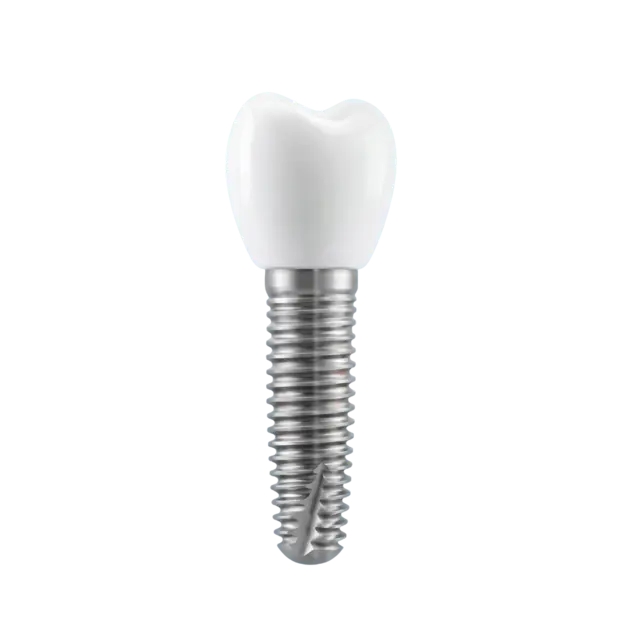
Dental Implant Candidacy
Find Out Where You Stand
Probably more likely than you think. Candidacy comes down to four things, and three of them are fixable when they fall short. Here is what we look at, honestly, before anyone talks about treatment.
Request a consultationMissing or failing teeth
Implants replace one tooth, several teeth, or a full arch. If a tooth is failing but still present, extraction and implant are often planned together.
Healthy gums
Active gum disease has to be treated before implant surgery, because infection around a new implant is the main early risk. Treated and managed gum disease does not rule you out.
Enough bone, or bone we can rebuild
The implant needs bone to hold onto. If bone has shrunk, grafting can rebuild it, and angled-implant techniques often work with the bone you still have. A 3D scan settles this question in minutes.
General health that supports healing
Conditions like uncontrolled diabetes and habits like smoking slow healing and raise risk. They rarely rule implants out by themselves, but they change the plan, so bring your full health picture to the exam.
Told "no" somewhere else?
The most common reason for a past "no" is bone loss, and implant planning has moved. Grafting rebuilds bone, and angled full-arch techniques use bone most people still have. A "no" from years ago, or from an office that places implants occasionally, is worth a second look from a team that does this every day.
This page is general information, not a diagnosis. Only an exam with 3D imaging can confirm whether implants are right for you.
Find out for certain
One visit: exam, 3D scan, and a straight answer about your options, in writing.
Request your consultation
Share the basics and our team will contact you to schedule. The consultation covers an exam, imaging, your options, and a written treatment plan. No pressure and no obligation.
- A full exam and 3D scan before any treatment talk
- A written plan with a real number for your case
- Your questions answered in plain English