Chandler Dental Implant Questions
Your Questions, Answered Straight
The answer comes first in every entry. The caveats follow, because they matter too.
Request a consultationAbout the procedure
Does getting a dental implant hurt?
The placement itself is done under local anesthetic and most patients feel pressure, not pain. The days after bring soreness similar to a tooth extraction, usually managed with over-the-counter medication. Most people are back at work the next day.
How long does the whole process take?
A straightforward single implant typically runs three to six months from placement to final crown, because the bone needs time to fuse to the implant. Grafting adds healing time, and some full-arch cases attach fixed provisional teeth the same day. Your written plan states your timeline.
What is an implant actually made of?
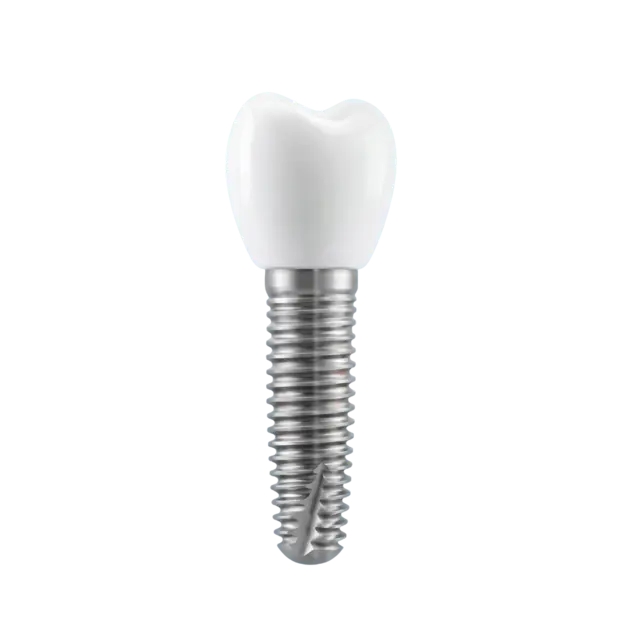
The post in the bone is almost always titanium, the same material used in joint replacements, chosen because bone bonds to it. The visible tooth is typically porcelain or zirconia, shaded to match your other teeth.
Am I awake during the surgery?
Most single implants are placed under local anesthetic while you are awake, like a filling. Sedation options exist for longer procedures and for patients who want them, and the right choice for your case is part of the planning conversation.
Candidacy and health
Am I too old for implants?
Age alone is almost never the barrier. Bone and overall health are what matter, and both are checked at the consultation. Implants are placed routinely for patients in their seventies and eighties.
I was told I don’t have enough bone. Is that final?
Usually not. Bone grafting rebuilds lost bone, and angled-implant full-arch techniques use bone most people still have. A current 3D scan is the only honest answer, especially if your "no" came years ago.
Can I get implants with diabetes or as a smoker?
Often yes, with adjustments. Controlled diabetes is compatible with implant treatment, and smokers are asked to pause around surgery because smoking slows the healing the implant depends on. Bring your full health picture to the exam and you get a straight answer.
Living with implants
How long do dental implants last?
The implant post itself commonly lasts decades, and often the rest of your life, when it is kept clean and checked regularly. The crown on top lives a hard mechanical life and may be replaced after ten to fifteen years of chewing. Daily cleaning is the biggest factor you control.
How do I clean an implant?
Like a tooth: brush twice a day and clean between teeth daily. Bridges and full arches need floss threaders or a water flosser to clean underneath, and we show you the technique before you leave with your new teeth.
Can an implant fail?
A small percentage do, most often early, when the bone does not fuse, or later from gum infection around the implant. Both risks drop sharply with good hygiene and regular checkups. If something feels wrong around an implant, come in promptly. Early problems are the treatable ones.
Money
Why is there no price list on this site?
Because a real implant price depends on your scan: how many teeth, whether grafting is needed, and which materials fit your case. Publishing one number would mislead more patients than it helps. Our cost guide explains every factor, and the consultation produces your written, itemized number.
Does insurance cover implants?
Plans vary widely. Many cover components like the extraction or the crown. Our team verifies your specific benefits and the written estimate shows the after-insurance number.
Can I finance implant treatment?
Yes, monthly payment plans through third-party healthcare lenders are standard for implant treatment, and we help you apply at the consultation.
Deeper reading: what implants cost · candidacy · all services
Have a question about your own case?
General answers only go so far. Bring your questions to a consultation and get answers about your mouth, not the average mouth.
Request your consultation
Share the basics and our team will contact you to schedule. The consultation covers an exam, imaging, your options, and a written treatment plan. No pressure and no obligation.
- A full exam and 3D scan before any treatment talk
- A written plan with a real number for your case
- Your questions answered in plain English